
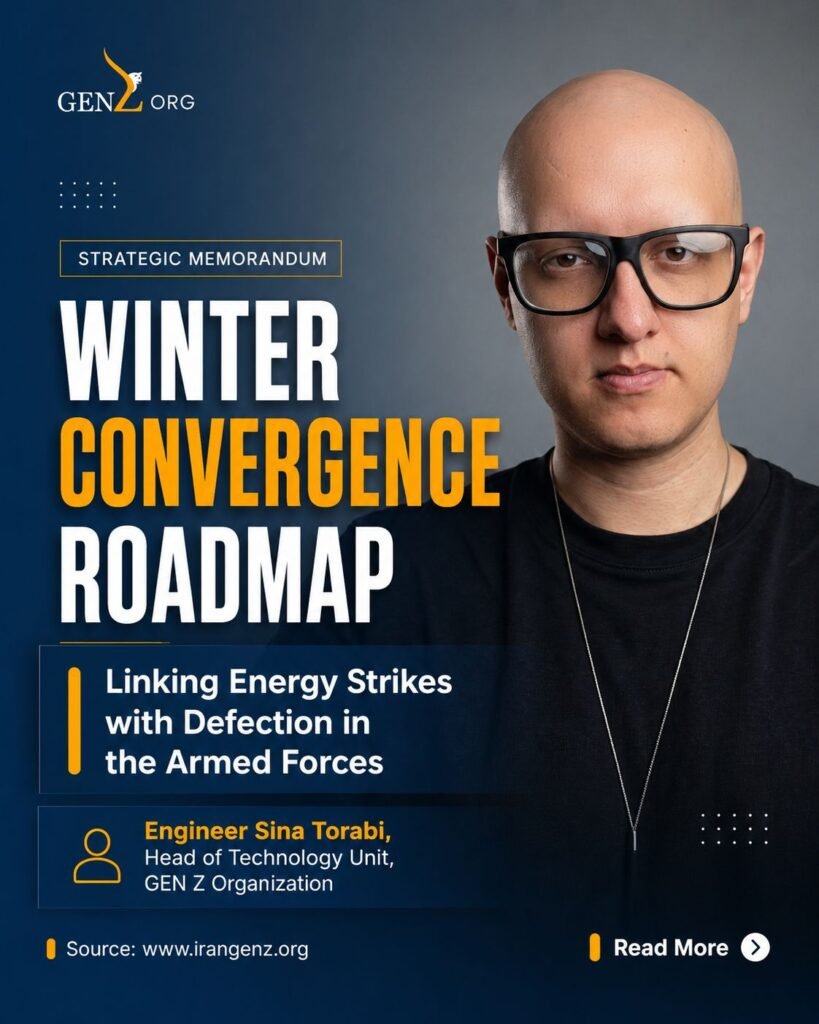
Structural analysis indicates that the regime has entered its most vulnerable historical juncture. Fresh sanctions and external pressures have crippled state finances, while the onset of the cold season confronts the country with an unprecedented natural gas deficit. Cutting gas supplies to heavy industries and petrochemical plants will drive state export revenues near zero, shut down factories, and trigger widespread winter power outages that push thousands of workers into the streets. By the end of the fiscal year, unbacked money printing to cover budget deficits will fuel 60–80% inflation, wiping out the purchasing power of fixed-income earners—especially junior non-commissioned officers and rank-and-file military and law enforcement personnel.
These objective conditions, combined with the collective memory of the historic Dey (January) uprisings and state massacres, create an unprecedented threshold for systemic collapse. However, turning this structural crisis into a decisive political transition requires a synchronized strategy between media platforms and field organizations.
Two Fundamental Pillars for the Decisive Blow
1. General Strikes in the Energy and Transportation Sectors (Severing the Fuel of Repression)
The apparatus of repression relies entirely on fuel supplies and open transit corridors to deploy riot units, armored vehicles, and motorized patrols. A coordinated work stoppage by truck drivers, refinery workers, and fuel distribution crews would paralyze the state’s operational mobility within days. Cutting off fuel logistics effectively disarms the security machinery on the streets.
2. Channeling Defections in the Armed Forces (From Insubordination to Active Protection)
Passive Defection (Low-Risk & Widespread): Encouraging feigned illness, strategic absenteeism, covert disruption of vehicles and communication radios, deliberate delays in reaching deployment zones, and aiming shots into the air or walls.
Active Defection (The Point of No Return): Laying down arms, open insubordination, standing alongside civilians, and physically shielding protesters from hardline units and mercenary enforcers.
Operational Action Plan for Opposition Organizations and Influencers
Influencers and civic bodies must shift from being passive reporters of incidents to serving as a coordination hub for cognitive strategy and logistical support:
1. Shifting Media Discourse from Amplifying Outrage to Field Tactics
Cease the circulation of repetitive, demoralizing footage. Replace it with concise instructional content on disabling tactical vehicle tires, creating roadblocks against motorized units, and operating secure offline communication networks.
Maintain a steady stream of unifying, morale-building messaging highlighting the terminal vulnerability of the system, ensuring the public recognizes that collective sacrifice yields direct strategic outcomes.
2. Establishing and Promoting Decentralized Micro Strike Funds
The primary barrier preventing workers from striking is daily subsistence. Civic networks must build secure financial rails using stablecoins and trusted local channels to cover the basic living expenses of striking oil, gas, and transit workers’ families.
Prominent platforms should dedicate regular coverage to instructing audiences on how to route micro-donations directly and securely to independent labor syndicates.
3. Conveying Credible Guarantees and Exit Pathways to the Armed Forces
Promote General Amnesty Frameworks: Widely disseminate guarantees from opposition figures confirming that regular armed forces and police personnel who refuse to suppress the public will face no post-transition reprisals, and that their professional ranks and pensions will be integrated into a future national defense framework.
Documented Psychological Pressure: Expose asset flight and overseas relocation by regime elites and their families, paired with a direct appeal to servicemen: “The leadership is packing its bags—whose wealth are you defending with citizen blood?”
4. Preparing Neighborhood Safe-Haven Networks for Defectors
Train local neighborhood networks to organize safe houses so that conscripts and officers who walk away from bases or refuse live-fire orders can find immediate shelter, acquire civilian clothes, and evade internal security units without fear of arrest.
5. Synchronizing Protest Calls with the Peak Winter Energy Crisis
Avoid exhausting public mobilization on fragmented, isolated dates. Opposition organizations and public figures must concentrate their operational focus on late December and January (Dey), where peak energy deficits, monetary collapse, and symbolic historical dates intersect to create maximum systemic vulnerability.
The coming winter presents an alignment of structural failure, internal attrition, and geopolitical pressure. If opposition networks successfully channel social mobilization into strategic strikes while providing a credible exit path for the armed forces, the machinery of repression will grind to a halt, driving the transition to its conclusion.